

Wheel Balancing Cost: A Tyres Guide
Wheel balancing typically costs around $15 to $30 per wheel in Australia, although prices vary depending on the vehicle, wheel size and service provider. For drivers maintaining their tyres in Albury, understanding when balancing is necessary can help prevent uncomfortable vibrations and uneven tyre wear. At
Border Bandag Tyre Service, our
tyre balancing Albury service helps local motorists enjoy smoother, more comfortable driving.
What Is Wheel Balancing?
Wheel balancing corrects uneven weight distribution around a tyre and wheel assembly. Even small weight differences can cause vibration as the wheel rotates, particularly at highway speeds. Balancing helps the wheel spin evenly, reducing vibration and unnecessary stress on vehicle components.
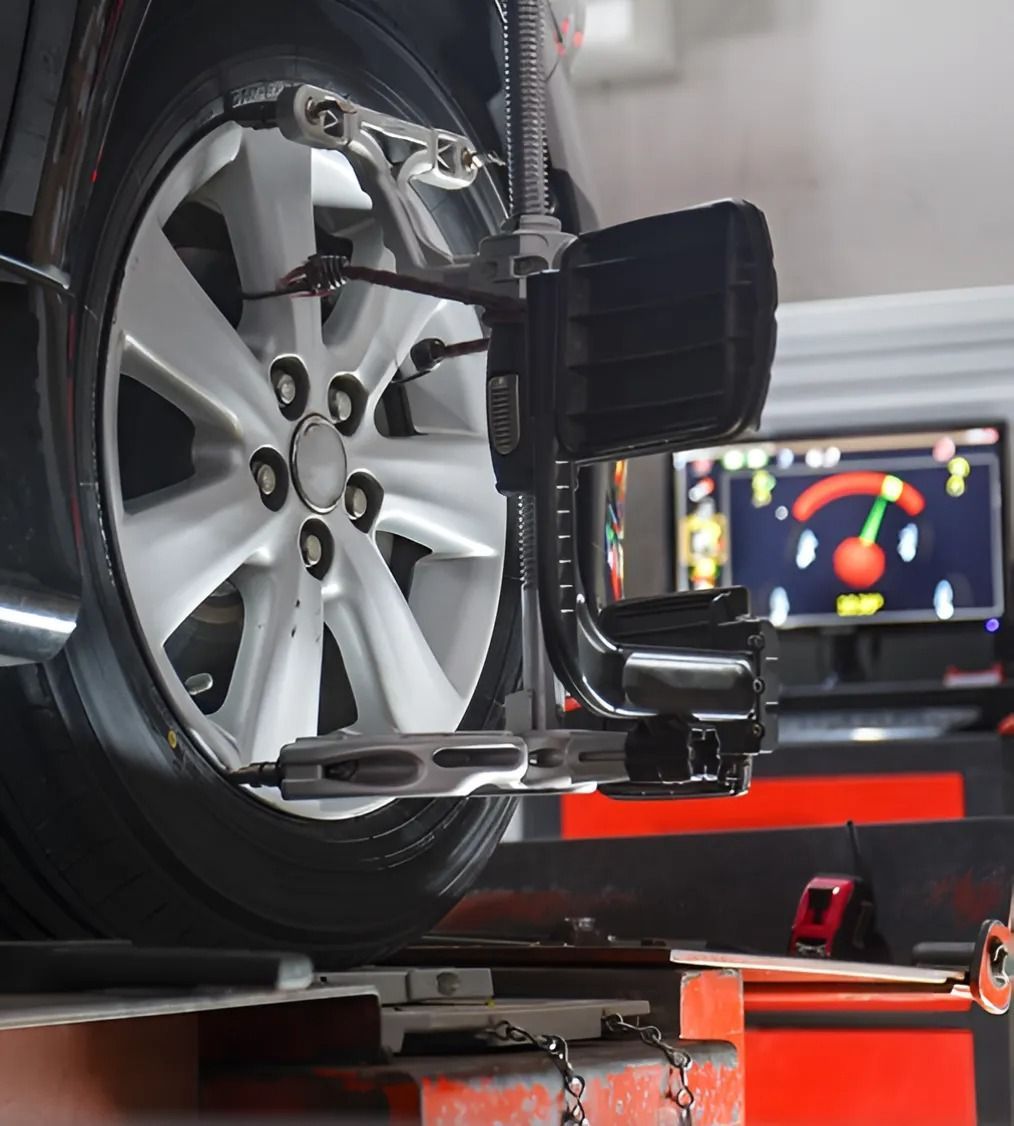
During the process, a technician places the wheel on a computerised balancing machine. The equipment identifies weight differences, allowing small balancing weights to be attached to the rim.
These adjustments compensate for imbalances that may be difficult to notice during everyday driving. However, they can become increasingly apparent at higher speeds.
Rather than waiting until vibration develops, we recommend balancing whenever new tyres are fitted or a tyre repair affects the wheel assembly.
How Much Does Wheel Balancing Cost?
The average wheel balancing cost in Australia is approximately $15 to $30 per wheel for standard passenger vehicles. Balancing four wheels may therefore cost around $60 to $120 when charged individually. These are general estimates, not confirmed Border Bandag Tyre Service prices.
Some tyre retailers include balancing with new tyre purchases, while others charge separately. Several factors can influence the final price.
Vehicle Type and Wheel Size
Standard passenger car wheels are generally straightforward to balance. Larger wheels fitted to 4WDs, SUVs and commercial vehicles may require additional handling or specialised equipment.
Aftermarket rims and unusual wheel designs can also affect the balancing process.
Number of Wheels Requiring Balancing
Drivers experiencing vibration may only need one or two wheels assessed. However, balancing an entire set can be worthwhile when fitting new tyres or completing routine maintenance.
For example, a driver noticing vibration after a tyre replacement may only need the affected wheel checked rather than automatically balancing all four.
Additional Tyre Services
Balancing may be performed alongside tyre fitting, puncture repairs or wheel rotations. Combining services can sometimes reduce separate workshop visits, although pricing arrangements vary.
For an accurate quote on wheel balancing Albury drivers can arrange, contact our team to discuss your vehicle and maintenance requirements.
Is Wheel Balancing the Same as Wheel Alignment?
No, wheel balancing and wheel alignment are different services that address separate vehicle problems. Although both contribute to driving comfort and tyre longevity, they involve different adjustments.
Wheel balancing corrects uneven weight distribution around the rotating tyre and wheel assembly. Wheel alignment adjusts the angles at which the wheels sit relative to the vehicle and road surface.
What Wheel Balancing Corrects
Unbalanced wheels can create vibrations that become more noticeable as vehicle speed increases. Drivers may feel shaking through the steering wheel, seats or vehicle floor.
Balancing helps correct uneven rotation but cannot repair damaged tyres, bent rims or worn suspension components.
What Wheel Alignment Corrects
Incorrect alignment can cause a vehicle to pull towards one side, develop uneven tyre wear or have an off-centre steering wheel.
Professional alignment involves checking and adjusting wheel angles according to the manufacturer's specifications.
If your vehicle pulls to one side or shows unusual tread wear, our wheel alignment Albury service can help identify and correct alignment concerns.
Signs Your Wheels Need Balancing
Wheel imbalance can develop gradually, making early symptoms easy to overlook. Recognising changes in how your vehicle feels can help you arrange an inspection before vibration becomes more noticeable.
Steering Wheel Vibration
One common symptom is steering wheel vibration, particularly at highway speeds.
For example, a driver travelling between Albury and Wodonga might notice shaking as they accelerate onto the highway, despite the vehicle feeling normal around town.
Although this can indicate imbalance, other mechanical problems may cause similar symptoms.
Vibration Through the Seats
Rear wheel imbalance may cause vibration through the seats or vehicle floor rather than the steering wheel.
These sensations can make longer journeys uncomfortable and should be investigated.
Uneven Tyre Wear
Wheel imbalance can contribute to irregular tyre wear, particularly alongside incorrect tyre pressures, suspension faults or alignment problems.
However, uneven tread patterns do not automatically indicate imbalance. A professional inspection helps identify the cause.
Changes After Tyre Repairs
Removing, repairing or refitting a tyre can affect its previous balance. Checking the assembly after relevant repairs helps ensure the wheel continues rotating smoothly.
When Should Wheels Be Balanced?
Wheel balancing should be considered whenever new tyres are fitted, after repairs affecting the tyre and wheel assembly or when unexplained vibration develops.
Waiting until the steering wheel begins shaking is not always necessary. Preventative balancing can identify small weight differences before they become noticeable.
Common situations requiring attention include:
- New tyre installation: Balancing accounts for weight differences within the assembled wheel.
- Tyre repairs: Rebalancing may be necessary after tyre removal and refitting.
- Wheel rotations: Checks may be appropriate if vibration develops after rotation.
- Unexpected vibrations: New shaking should be professionally investigated.
- Wheel impacts: Potholes and kerbs can damage wheels or tyres, requiring inspection.
For Albury and Wodonga drivers regularly travelling on highways and regional roads, correct wheel balance supports comfortable journeys.
However, balancing cannot correct structural tyre damage or bent rims. These problems may require separate repairs.
How Computerised Wheel Balancing Works
Computerised balancing equipment detects small weight differences that are difficult to identify through visual inspection.
The technician removes the wheel and mounts it securely onto a balancing machine. As the assembly spins, the equipment measures uneven weight distribution and identifies where adjustments are required.
Identifying Small Weight Differences
Even minor weight variations can affect how smoothly a wheel rotates. Computerised equipment provides precise measurements so technicians can select and position appropriate balancing weights.
At Border Bandag Tyre Service, our balancing equipment helps identify fine weight differences and make accurate adjustments.
Applying Balancing Weights
Once the machine identifies the required corrections, balancing weights are attached to the appropriate positions on the rim.
The assembly is then checked again to determine whether further adjustments are necessary.
This process reduces vibration caused by imbalance but does not replace inspections for tyre damage or suspension problems.
Why Regular Balancing Matters
Correct wheel balancing is about more than eliminating steering wheel vibration. It contributes to tyre maintenance, driving comfort and reducing unnecessary component stress.
Supporting Tyre Longevity
Uneven wheel rotation can contribute to irregular tyre wear. Correcting imbalance helps reduce unnecessary movement, particularly when combined with correct inflation pressures and wheel alignment.
Improving Driving Comfort
Persistent vibration can make highway driving uncomfortable. Balanced wheels rotate more smoothly, helping reduce shaking caused by uneven weight distribution.
Reducing Component Stress
Wheel vibration can place additional stress on suspension and steering components. Addressing imbalance early helps reduce this unnecessary stress, although existing mechanical damage may require separate repairs.
For more ways to maintain tyre condition between workshop visits, explore
our maintenance tips.
Choosing Wheel Balancing in Albury
Choosing a tyre specialist who can assess wheel balance and related mechanical concerns helps ensure the correct problem is addressed.
At Border Bandag Tyre Service, we assist Albury and Wodonga motorists with tyre fitting, balancing, maintenance and wheel alignment.
Whether your vehicle has recently received new tyres or developed unfamiliar vibration, an inspection can help determine the appropriate service.
Wheel balancing is a relatively affordable maintenance service that can improve driving comfort and help reduce avoidable tyre wear. Understanding the difference between balancing and alignment also helps drivers make informed maintenance decisions.
If you need professional balancing or advice on
tyres Albury drivers can rely on, contact Border Bandag Tyre Service to arrange an inspection or
request a quote. For additional tyre care advice, visit
our blog.
Frequently Asked Questions
Can Unbalanced Wheels Damage Your Car?
Persistent imbalance can contribute to uneven tyre wear and additional suspension stress. Having unexplained vibrations assessed early can help reduce unnecessary wear.
Can You Balance Wheels Without Removing Them?
Most computerised balancing services require the wheel to be removed and mounted onto a machine. Specialised on-vehicle balancing equipment exists but is less common for routine passenger vehicle servicing.
Does Wheel Balancing Fix Every Steering Wheel Vibration?
No. Vibration can also result from damaged tyres, bent rims, suspension wear or braking problems. Further inspection may be necessary if balancing does not resolve the issue.
Can a Wheel Lose Its Balance Over Time?
Yes. Tyre wear, lost balancing weights, impacts and changes to the wheel assembly can affect balance. Previously balanced wheels may eventually require adjustment.
Is Wheel Balancing Necessary for Brand-New Tyres?
Yes. New tyres should be balanced during fitting because small weight differences can exist within newly assembled wheels. Balancing helps provide smoother rotation from the beginning.