

How Long Do Tyres Last?
Tyres can need replacing even when they still have plenty of tread. Summer heat and sun exposure can affect how tyres in Albury age, while driving habits and road conditions influence how quickly they wear. Understanding both helps you recognise when a set needs checking or replacing.
How Long Do Tyres Last?
Many passenger car tyres last around 40,000–80,000 kilometres under normal driving conditions with regular care. Treat this as a general guide rather than a target. Tyre design, vehicle weight, road surfaces and maintenance can all affect how much use you get from a set.
A family car travelling between Albury and Wodonga may wear its tyres differently from a ute carrying tools along rural roads. Frequent heavy loads, hard braking and rough surfaces can shorten tyre life. Some tyres will need replacing well before they reach the lower end of that range.
Keep the fitting invoice and note the odometer reading whenever you replace your tyres. This helps you track how far each set has travelled. Use that record alongside regular inspections, rather than waiting to reach a particular kilometre reading before having them checked.
When Does Tyre Age Matter?
Tyres deteriorate with age, even when a vehicle gets little use. Changes can occur within the tyre as well as on its surface, so plenty of remaining tread does not tell you everything about its condition.
Manufacturer advice provides useful checkpoints, although your vehicle or tyre manufacturer may recommend earlier replacement:
- After five years of use, have tyres thoroughly inspected at least once a year
- At ten years from manufacture, replace tyres as a precaution, including the spare
- Follow any earlier age limit specified for your vehicle or tyres
- Replace tyres sooner if wear, damage or deterioration makes them unsuitable for further use
The five-year checkpoint is a reason to arrange an inspection, rather than automatically replace the tyres. Likewise, ten years is not a lifespan you should expect every set to reach. Their condition may require replacement much sooner.
For example, a car used mainly for short shopping trips could have seven-year-old tyres with little tread wear. Those tyres still need assessing because low kilometres do not prevent rubber from ageing.
Read Your Tyre’s Date Code
You can find a tyre’s manufacturing date in a four-digit code moulded into its sidewall. This usually appears at the end of the Tyre Identification Number near the DOT marking. It shows when the tyre was made, which may be earlier than the date it was fitted.
The code is straightforward to read:
- The first two digits show the week of manufacture
- The last two digits show the year of manufacture
- A code of 2322 means the tyre was made in week 23 of 2022
Check each tyre separately, including the spare, as they may have different manufacturing dates. If you cannot find or safely read a code, ask a tyre technician to locate it. Recording the dates with your maintenance paperwork makes them easier to check later.
How Local Conditions Affect Tyre Lifespan
Summer heat and UV exposure can accelerate rubber deterioration and shorten tyre lifespan in Albury. A car parked outdoors can spend years exposed to the elements while covering relatively few kilometres. This makes age worth checking even when the tread shows little wear.
Hot weather also affects tyres while driving. High air temperatures and hot road surfaces increase their operating temperature, while underinflation creates additional heat through excessive flexing. Checking cold tyre pressures before a summer highway trip helps reduce this avoidable strain.
Everyday travel between Albury and Wodonga can place different demands on tyres from regular rural driving. Conditions that deserve attention include:
- Gravel and rough surfaces that can cause cuts or other damage
- Pothole impacts that can damage tyres or affect wheel alignment
- Heavy loads that may require different tyre pressures, as specified by the vehicle manufacturer
The tyres Albury drivers choose should suit their vehicle, usual loads and driving conditions. These factors influence how a set wears and ages, so consider them alongside manufacturing dates and regular condition checks.
How Often Should I Check My Tyre Pressure?
Knowing how often to check tyre pressure helps you keep up with routine maintenance. Check at least monthly and before long journeys, with weekly checks a useful habit for regular rural driving or carrying loads. Check sooner if a tyre looks low or your vehicle displays a pressure warning.
Take readings when the tyres are cold, ideally before you start driving for the day. Pressure rises as tyres warm up during a drive. Letting air out of warm tyres to match the recommended cold pressure can leave them underinflated once they cool.
When checking your pressures:
- Use the recommended cold pressures on the vehicle’s tyre placard or in its handbook
- Follow the manufacturer’s pressure settings for heavier loads
- Check the spare against its own specified pressure
- Have repeated pressure loss investigated instead of simply adding more air
Front and rear pressures may differ, so check each recommendation rather than using one setting for every wheel. The maximum pressure marked on a tyre’s sidewall is not the recommended everyday pressure for your vehicle.
Help Your Tyres Last Longer
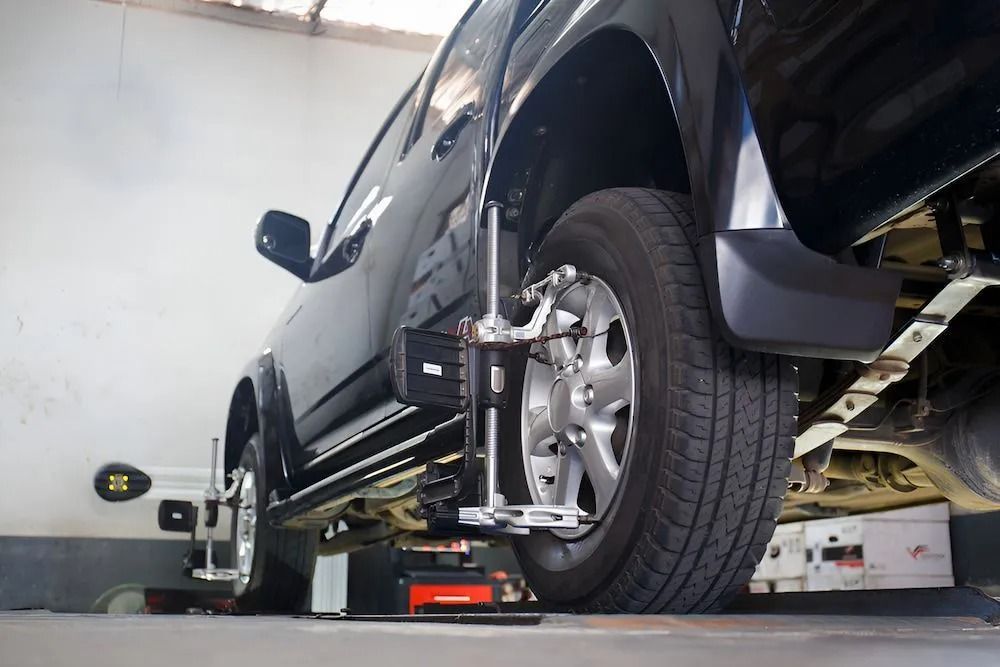
Regular maintenance helps reduce avoidable wear, although it cannot reverse ageing. Follow the vehicle manufacturer’s rotation schedule and have alignment or balance concerns checked if you notice uneven wear or vibration.
Routine tyre care in Albury can include pressure checks, rotations, balancing and inspections for uneven wear. These checks help identify problems that could shorten tyre life and highlight when further attention is needed.
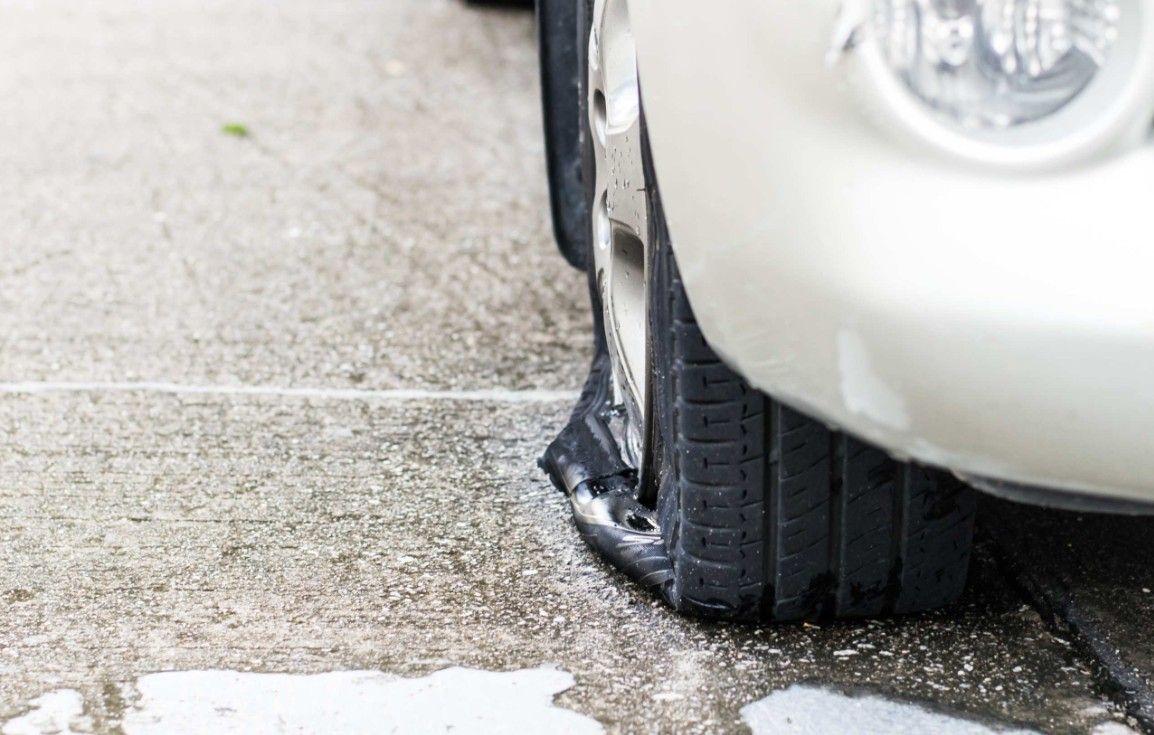
Visible damage needs prompt attention at any age. Have cuts, bulges, cracking, recurring pressure loss or changes in handling assessed. For more detail on these symptoms, see this
warning signs guide.
Know When Replacement Is Due
Tyre age, kilometres travelled and current condition all help determine when replacement is due. Regular checks can reveal concerns that tread depth alone will not show, particularly on older tyres or vehicles that get little use.
At Border Bandag Tyre Service, we check the DOT date code at every service, regardless of tread depth. For advice on your tyres in Albury, get in touch. We can assess their age and condition, discuss your driving needs and help you decide whether it’s time for a replacement.
Frequently Asked Questions
Do spare tyres need replacing if they have never been used?
Yes. Spare tyres age even when they have never been used. The ten-year precautionary replacement recommendation includes spares, but the vehicle or tyre manufacturer may specify an earlier limit. Check the spare’s age, condition and pressure before relying on it for a trip.
Does tyre lifespan start from purchase or manufacture?
A tyre’s age is measured from its manufacturing date, shown in the sidewall code. Its time in service starts when it is first used, so these dates can differ. The ten-year precautionary replacement recommendation runs from manufacture, rather than purchase or fitting.
Can tyre pressure monitoring replace manual checks?
Drivers should still check tyre pressures with a gauge, even if the vehicle has a tyre pressure monitoring system. The system can warn of pressure problems, but it does not assess tyre age, tread wear or every type of damage. Follow the vehicle handbook’s instructions for pressure checks and warning lights.
Should tyres be rotated if the car travels few kilometres?
Follow the vehicle manufacturer’s rotation schedule, including any time-based interval. Whether tyres can be rotated also depends on their design and whether the front and rear wheels use different sizes. Rotation can help tyres wear evenly, but it does not slow age-related deterioration.