

Top 5 Tyre Maintenance Tips For Albury Drivers
Tyres are the only point of contact between your vehicle and the road, yet they are often one of the most overlooked parts of regular vehicle care. Many drivers only think about their tyres in Albury when a warning light appears, a puncture occurs or handling suddenly feels different. By that stage, wear or damage may already be affecting safety and performance. Regular tyre maintenance is a practical way to avoid unexpected costs, reduce fuel consumption and improve overall driving confidence. With a few simple checks and habits, drivers can significantly extend tyre life and maintain consistent performance throughout the year.
Tyre maintenance does not require advanced mechanical knowledge or expensive tools. It comes down to understanding how tyres respond to pressure, load, wear and time. When drivers know what to look for and act early, tyres last longer and perform more reliably in everyday driving conditions.
1. Maintain Correct Tyre Pressure
Correct tyre pressure is one of the easiest and most effective ways to protect your tyres in Albury. When pressure levels are too low, tyres flex more than they should, generating excess heat and increasing wear along the outer edges. Overinflated tyres reduce the amount of rubber contacting the road, which can compromise grip and cause uneven wear through the centre of the tread.
Maintaining the right pressure helps:
- Improve fuel efficiency by reducing rolling resistance
- Promote even tread wear across the tyre surface
- Support stable steering & braking behaviour
Tyre pressure should be checked at least once a month and before longer trips. Measurements are most accurate when tyres are cold, as driving heat temporarily increases pressure. It is also important to follow the vehicle manufacturer’s recommended pressure rather than relying on generic figures.
Consistent pressure checks can also reveal slow leaks caused by valves, punctures or bead damage. Catching these issues early prevents ongoing pressure loss that can shorten tyre life and affect vehicle handling.
2. Check Tread Depth & Wear Patterns Regularly
Tread depth plays a vital role in how tyres grip the road, particularly during wet conditions. While tyres may appear acceptable at a glance, performance can decline well before tread reaches its legal minimum. As tread wears down, the tyre’s ability to disperse water decreases, increasing the risk of reduced traction.
When inspecting tread, look for:
- Shallow tread across the entire tyre width
- Uneven wear on inner or outer edges
- Bald spots, cracks or embedded debris
Wear patterns often tell a story about how the tyre is interacting with the vehicle. For example, excessive wear on one edge may indicate alignment issues, while cupping or scalloping can point to suspension problems. Identifying these signs early allows corrective work to be carried out before tyres suffer irreversible damage.
3. Rotate Tyres to Extend Their Lifespan
Tyres do not wear evenly across all positions on a vehicle. Front tyres typically wear faster due to steering input, braking forces and engine weight, while rear tyres often experience slower and more uniform wear. Without rotation, some tyres may reach the end of their service life much sooner than others.
Regular tyre rotation:
- Distributes wear more evenly across all tyres
- Helps maintain balanced handling & ride comfort
- Maximises value from the full tyre set
Most vehicles benefit from tyre rotation every 8,000 to 10,000 kilometres, though this can vary depending on driving habits and vehicle configuration. Regular rotation ensures that no single tyre bears the brunt of wear, helping all tyres reach a similar replacement point.
4. Keep Wheels Aligned & Balanced
Wheel alignment and balance have a direct impact on tyre wear and vehicle behaviour. Misaligned wheels cause tyres to scrub against the road surface rather than roll smoothly, leading to rapid wear and increased fuel use. Poor wheel balance can result in vibrations that reduce comfort and place additional strain on suspension components.
Common signs that alignment or balance may be needed include:
- The vehicle pulling to one side when driving straight
- Steering wheel vibration at specific speeds
- Uneven or accelerated tyre wear
Correct alignment ensures tyres maintain proper contact with the road, while balancing distributes weight evenly around each wheel. Together, these adjustments support smoother driving, more predictable handling and longer tyre life.
5. Know When Tyres Need Replacing
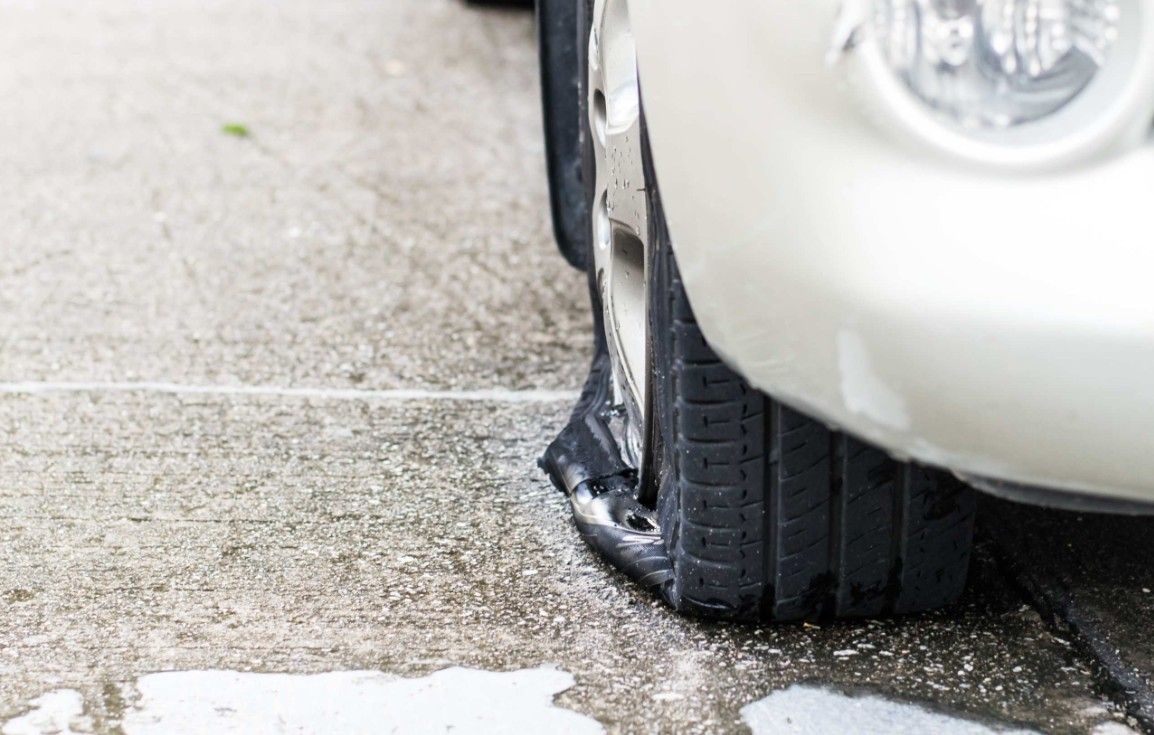
Even with diligent maintenance, tyres eventually reach the end of their usable life. Continuing to drive on worn or deteriorated tyres compromises braking performance, traction and overall safety.
Tyres may require replacement if:
- Tread depth approaches unsafe levels
- Sidewalls show cracks, bulges or impact damage
- Rubber has hardened or degraded due to age
Age-related tyre deterioration is often overlooked because tyres can look visually acceptable while losing flexibility and grip. Regular inspections help determine whether tyres are still performing as intended or nearing replacement, allowing drivers to plan ahead rather than react to failures.
Supporting Habits that Protect Tyre Condition
Beyond the five core maintenance steps, everyday driving behaviour plays a significant role in tyre longevity. Overloading a vehicle places additional stress on tyres, increasing internal temperatures and accelerating wear. Aggressive acceleration, harsh braking and sharp cornering also place extra demands on tyre construction.
Helpful habits include:
- Avoiding loads beyond manufacturer specifications
- Driving smoothly & predictably where possible
- Monitoring tyres after extended trips or heavy use
Temperature changes can also affect tyre pressure and rubber performance. Regular checks during seasonal shifts help maintain consistent handling and reduce unexpected wear.
The Value of Professional Tyre Servicing
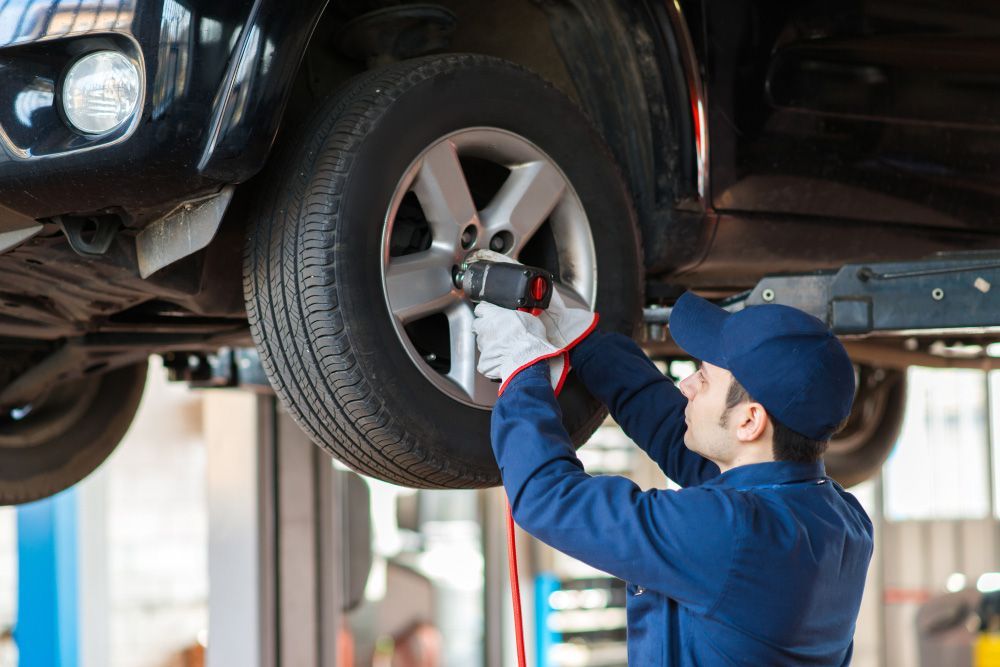
While many tyre maintenance tasks can be handled at home, professional servicing remains an important part of overall tyre care. Some issues, such as internal damage, subtle balance problems or early structural fatigue, are not always visible during routine checks. Trained technicians use specialised equipment to identify concerns that may otherwise go unnoticed.
Professional tyre servicing supports long term performance by:
- Providing accurate pressure, balance & alignment adjustments
- Detecting early signs of wear or damage
- Offering informed advice on tyre suitability & replacement timing
Combining routine self-checks with periodic professional inspections helps ensure tyres continue to perform reliably, delivering consistent handling, comfort and efficiency throughout their service life.
Get in Touch
At Border Bandag Tyre Service, we understand how local road conditions, temperature changes and daily driving demands can affect tyre performance over time. If you are searching for tyres Albury drivers rely on or looking for ‘tyres near me’, get in touch to book a tyre inspection, maintenance service or replacement. Our team is ready to help you protect your tyres and drive with confidence all year round.