

How To Check Your Tyre Pressure — And The Right PSI For Your Car
Most drivers know tyre pressure is important, but many aren't quite sure what the correct pressure should be or how often it should be checked. The good news is that maintaining proper tyre pressure is one of the easiest vehicle maintenance tasks you can do yourself, and it only takes a few minutes.
Correct tyre pressure helps improve safety, fuel efficiency, vehicle handling and tyre life. Whether you're commuting around town, planning a road trip or simply trying to get the most value from your tyres in Albury, understanding tyre pressure can save you money and help keep your vehicle performing at its best.
In this guide, we'll explain how to check tyre pressure correctly, how to find the right PSI for your vehicle and what can happen if your tyres are overinflated or underinflated.
What Does PSI Mean?
PSI stands for "pounds per square inch" and is the unit used to measure tyre pressure. Every vehicle manufacturer specifies a recommended tyre pressure range designed to provide the best balance of:
- Safety
- Comfort
- Fuel efficiency
- Handling
- Tyre lifespan
The correct PSI varies between vehicles, which is why it's important not to assume one pressure suits every car.
How Do I Know the Right PSI for My Car?
One of the most common tyre maintenance mistakes is checking the number printed on the tyre sidewall and assuming that's the recommended pressure.
Don't Use the Sidewall Number
The PSI printed on the tyre sidewall is usually the tyre's maximum pressure rating, not the pressure recommended for everyday driving. Inflating tyres to this number may negatively affect ride comfort, handling and tyre wear.
Where to Find the Correct PSI
The correct tyre pressure for your vehicle can usually be found:
- Inside the driver's door jamb
- On a sticker inside the fuel flap
- In the owner's manual
- In manufacturer documentation
The recommended pressure may vary depending on:
- Vehicle load
- Passenger numbers
- Towing requirements
- Front versus rear tyres
Always follow the vehicle manufacturer's recommendations. If you're unsure, a tyre professional can help confirm the correct pressure for your vehicle.
Why Correct Tyre Pressure Matters
Maintaining the right tyre pressure provides several important benefits.
Improved Vehicle Safety
Tyres are your vehicle's only point of contact with the road. Correct tyre pressure helps optimise:
- Braking performance
- Cornering stability
- Steering response
- Wet weather grip
Poor tyre pressure can reduce control and increase stopping distances.
Better Fuel Efficiency
Underinflated tyres create more rolling resistance, which means your engine must work harder to move the vehicle. This can increase fuel consumption and operating costs. Maintaining correct pressure helps improve efficiency and may reduce fuel expenses over time.
Longer Tyre Life
Proper inflation promotes even tyre wear. This helps maximise the lifespan of your tyres and reduces the likelihood of premature replacement. For drivers investing in quality tyres in Albury, regular pressure checks are one of the simplest ways to protect that investment.
How to Check Your Tyre Pressure Correctly
Checking tyre pressure is straightforward and can be completed in just a few minutes.
Step 1: Use a Reliable Tyre Pressure Gauge
You'll need a tyre pressure gauge, which can be purchased from automotive stores or used at many service stations. Digital gauges are often easier to read, but traditional gauges can also provide accurate results.
Step 2: Check Tyres When They're Cold
This is important. Tyres heat up as you drive, causing the air inside to expand and temporarily increase pressure readings. For the most accurate result:
- Check tyres before driving
- Or wait several hours after driving
Checking hot tyres can lead to inaccurate readings.
Step 3: Remove the Valve Cap
Unscrew the valve cap from the tyre and keep it somewhere safe.
Step 4: Attach the Pressure Gauge
Press the gauge firmly onto the valve stem. The gauge will display the current tyre pressure reading.
Step 5: Compare to the Recommended PSI
Check the reading against your vehicle's recommended tyre pressure. If necessary:
- Add air if pressure is low
- Release air if pressure is too high
Step 6: Repeat for All Tyres
Remember to check:
- Front tyres
- Rear tyres
- Spare tyre (if fitted)
Many drivers forget the spare until they actually need it.
How Often Should You Check Tyre Pressure?
As a general rule, tyre pressure should be checked:
- At least once per month
- Before long road trips
- After significant temperature changes
- Whenever a warning light appears
Regular checks help identify small pressure losses before they become larger problems.
What Happens If Tyre Pressure Is Too Low?
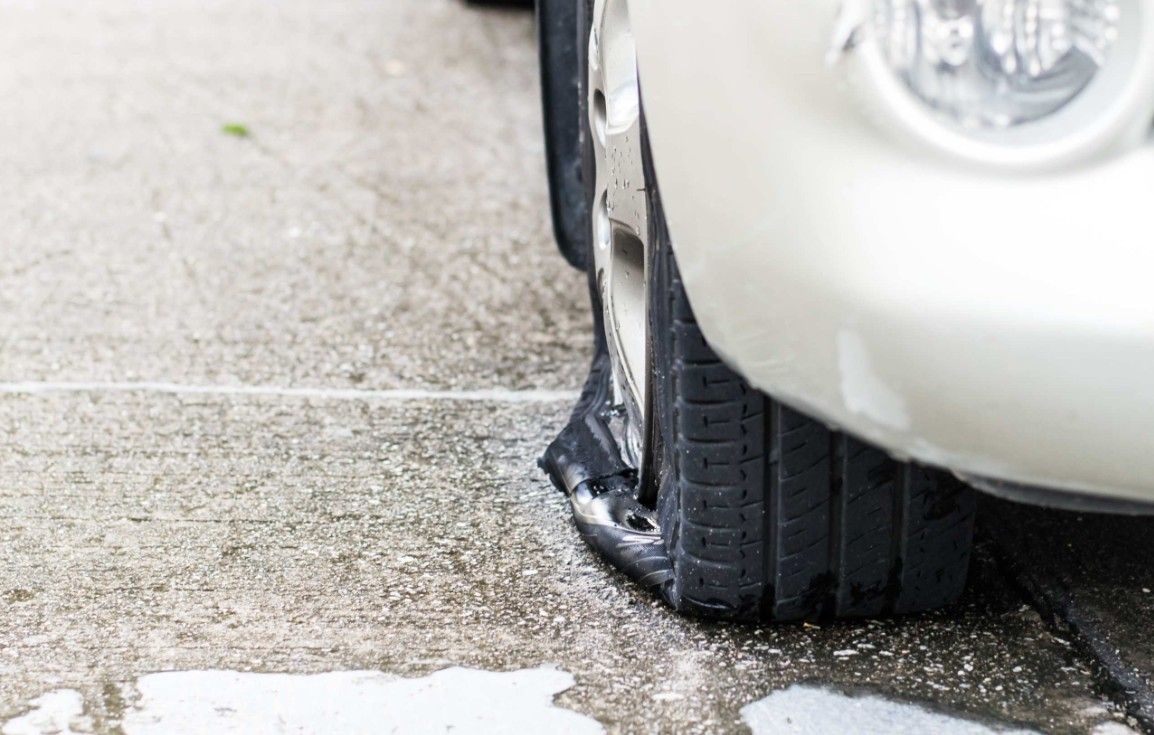
Underinflation is one of the most common tyre maintenance issues. When tyres are underinflated, several problems can occur.
Increased Tyre Wear
Low pressure causes the outer edges of the tyre to wear more quickly. This can significantly reduce tyre lifespan.
Poor Fuel Economy
The vehicle requires more energy to move, increasing fuel consumption.
Reduced Handling
Underinflated tyres may feel:
- Less responsive
- Less stable during cornering
- More difficult to contro
Increased Risk of Damage
Low-pressure tyres generate additional heat, which can increase the risk of tyre failure and blowouts.
What Happens If Tyre Pressure Is Too High?
Overinflation can be just as problematic.
Uneven Tyre Wear
Overinflated tyres tend to wear more rapidly through the centre of the tread.
Reduced Grip
A smaller contact patch with the road can reduce traction, particularly in wet conditions.
Harsher Ride
Excessive pressure often results in a firmer, less comfortable ride.
Increased Risk of Impact Damage
Overinflated tyres may be more susceptible to damage from potholes and road hazards.
Should You Check Tyre Pressure Before a Road Trip?
Absolutely. Before travelling long distances, it's a good idea to inspect:
- Tyre pressure
- Tread depth
- General tyre condition
Correct tyre pressure helps improve safety, handling and fuel economy, especially during extended highway driving.
Professional Tyre Checks Make a Difference
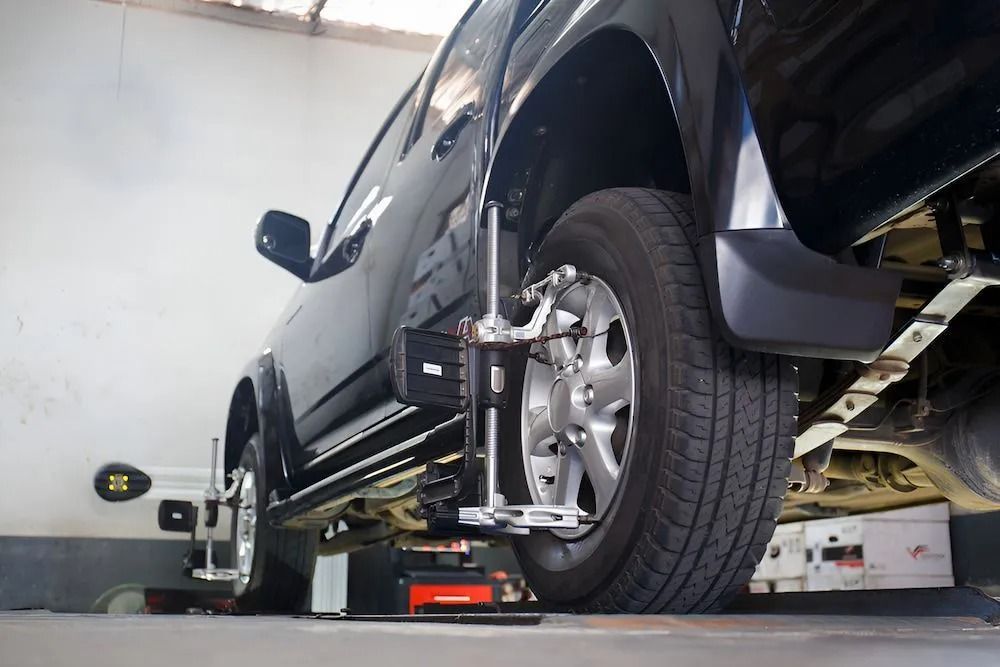
While tyre pressure checks are simple to perform at home, professional inspections provide additional peace of mind. A tyre specialist can also assess:
- Tread wear
- Wheel alignment
- Balancing
- Tyre condition
- Rotation requirements
These services help identify potential issues before they become expensive repairs.
What Does PSI Mean?
Maintaining correct tyre pressure is one of the easiest and most effective ways to improve vehicle safety, maximise fuel efficiency and extend tyre life. By checking your tyres regularly, using the correct PSI and avoiding common mistakes, you can protect both your vehicle and your wallet.
If you're unsure about the right pressure for your vehicle or need professional tyre advice, Border Bandag Tyre Service can help. As a trusted provider of tyres in Albury, our experienced team can assist with tyre inspections, pressure checks, replacements and ongoing maintenance to keep your vehicle running safely and efficiently.